

hydraulic power station
Nestled in a winding river valley, a hydraulic power station stands as a testament to humanity’s ability to harness nature’s forces for clean energy. At its heart lies a massive concrete dam, stretching across the river’s width like a silent guardian. Behind it, a vast reservoir glistens under the sun, its calm waters holding the potential to power thousands of homes and businesses. The station’s operation begins with the dam, which serves two critical purposes: storing water during periods of high rainfall and creating a “head”—the vertical distance between the reservoir’s surface and the turbine below. This head is the source of the station’s power, as gravity pulls water downward, converting potential energy into kinetic force. When electricity demand rises, operators open sluice gates at the dam’s intake structure. Water surges through reinforced steel penstocks—sloped pipes that carry it from the reservoir to the powerhouse downstream. As the water rushes down the penstocks, its speed increases dramatically, building pressure that drives the station’s turbines. These turbines, often of the Francis or Kaplan type, spin rapidly as water hits their curved blades, turning mechanical energy into rotational motion. Connected directly to each turbine is a generator, where electromagnetic induction works its magic: the spinning turbine rotor, lined with magnets, rotates inside a stator (a coil of wire), producing an alternating current. This electricity then flows to transformers, which step up the voltage to minimize energy loss during long-distance transmission via power lines to cities and towns. Finally, the water—now depleted of its kinetic energy—exits the powerhouse through a tailrace, returning to the river downstream to continue its natural journey. One of the hydraulic station’s greatest strengths is its flexibility. Unlike solar or wind farms, which depend on weather conditions, the station can adjust its output in minutes: opening more gates to increase power during peak demand or reducing flow during lulls. This makes it a reliable backbone of the energy grid, complementing intermittent renewables. Yet, the station’s presence is not without trade-offs. The dam alters the river’s natural flow, disrupting aquatic habitats and sometimes displacing local communities. Sediment buildup in the reservoir can reduce its capacity over time, while fish migration paths are blocked. To mitigate these impacts, modern stations often include fish ladders to help species navigate the dam, and controlled flow releases to mimic natural river patterns. In an era of climate change, hydraulic power stations remain a vital part of the global shift toward renewable energy. They produce zero carbon emissions, provide flood control, and support irrigation—making them a multifaceted solution to both energy and water challenges. As technology advances, these stations continue to evolve, balancing efficiency with environmental stewardship to power a sustainable future. (Word count: 498)
Products
Category:
-
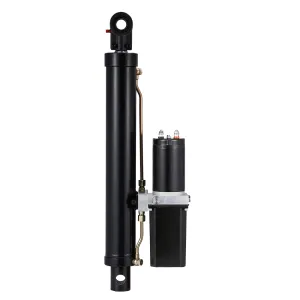
Hydraulic Linear Actuator
Category: NH SeriesBrowse number: 15Number:Release time: 2026-03-24 14:29:06NH63-400
News
Category:
No search results found!
Case
Category:
No search results found!
Video
Category:
No search results found!
Download
Category:
No search results found!
Job
Category:
No search results found!
Featured Products
No search results found!



 Phone
Phone