

hydraulic power unit
A hydraulic power unit (HPU) is the central energy hub of hydraulic systems, converting mechanical energy into pressurized fluid power to drive a vast array of industrial, mobile, and aerospace equipment. It serves as the backbone for applications requiring high force, precise control, and reliable operation in demanding environments. At its core, an HPU comprises several key components. The reservoir stores hydraulic fluid (mineral oil or synthetic alternatives), providing space for fluid expansion, air separation, and contaminant settling. A positive displacement pump—gear, piston, or vane type—draws fluid from the reservoir and pressurizes it to the required level. This pump is driven by a prime mover, such as an electric motor or diesel engine, which converts electrical or fuel energy into rotational mechanical power. Valves are critical for system control: directional valves steer fluid to actuators (cylinders or motors), relief valves prevent overpressure by diverting excess fluid back to the reservoir, and flow control valves regulate actuator speed. Filters remove particulate contaminants to protect sensitive parts, while coolers (air or water-based) dissipate heat from friction and pressure drops, maintaining optimal temperatures. Accumulators, optional but common, store pressurized fluid to deliver quick power bursts, absorb pressure spikes, or sustain pressure during peak demand. The working principle is straightforward: the prime mover activates the pump, which pushes fluid through the system. Pressurized fluid travels via hoses to actuators, converting fluid power into mechanical motion—like lifting a load with a cylinder or rotating a conveyor with a motor. After acting on the actuator, fluid returns to the reservoir, where it is filtered and cooled before recirculation. HPUs are ubiquitous across industries. In manufacturing, they power press machines, injection molders, and CNC equipment, delivering high force for forming metal or plastic. In construction, mobile HPUs drive excavator arms, crane hoists, and bulldozer blades, enabling heavy-duty operations in remote areas. Aerospace systems use compact HPUs for landing gear, flaps, and brakes, prioritizing reliability and weight efficiency. Marine applications include ship steering, winches, and cargo handling, withstanding corrosive environments. Hydraulic systems offer high power density—generating more force per unit size than electric or pneumatic systems—making HPUs ideal for space-constrained uses. Precise control over speed and force allows delicate operations, like component positioning in assembly lines. However, maintenance is key: regular fluid checks, filter replacements, and leak detection prevent performance degradation and hazards. Modern HPUs integrate variable-speed drives to adjust pump output based on demand, reducing energy use and extending component life. As technology advances, HPUs now include IoT sensors for real-time performance tracking and eco-friendly fluids, enhancing efficiency and sustainability. Whether powering factory robots or construction vehicles, the HPU remains indispensable, enabling the machinery that shapes our modern world. (Word count: ~500)
Products
Category:
-
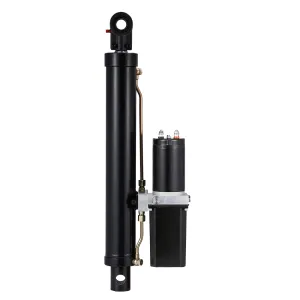
Hydraulic Linear Actuator
Category: NH SeriesBrowse number: 15Number:Release time: 2026-03-24 14:29:06NH63-400
News
Category:
No search results found!
Case
Category:
No search results found!
Video
Category:
No search results found!
Download
Category:
No search results found!
Job
Category:
No search results found!
Featured Products
No search results found!



 Phone
Phone